Technologies / IMAUTORNATION

Technology that gives industry greater capability.

IMAUTORNATION develops and integrates automation, robotics, artificial intelligence, machine systems, hydraulics, industrial electronics and energy technologies for demanding industrial environments.

01 / Technology Portfolio

Core technologies across the industrial system.

Our technology direction connects sensing, intelligence, control, motion, machines and energy into systems designed around real industrial requirements.

Industrial automation and machine systems
01 / AUTOMATION

Industrial Automation

Control architectures, automated processes, machine interfaces and integrated production systems.
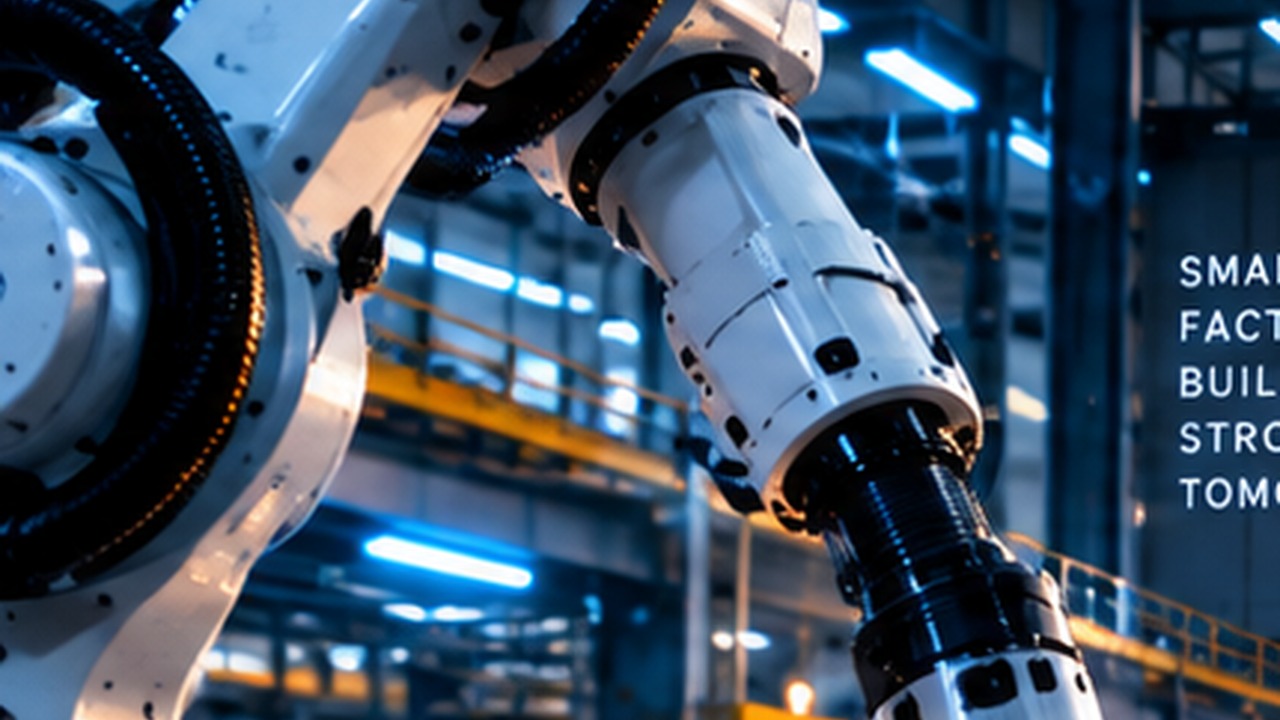
PLC / ControlProcess AutomationSystem Integration
Industrial robotics system
02 / ROBOTICS

Robotics & Autonomous Systems

Industrial robotics, autonomous machines, robot cells, motion coordination and robotic production.
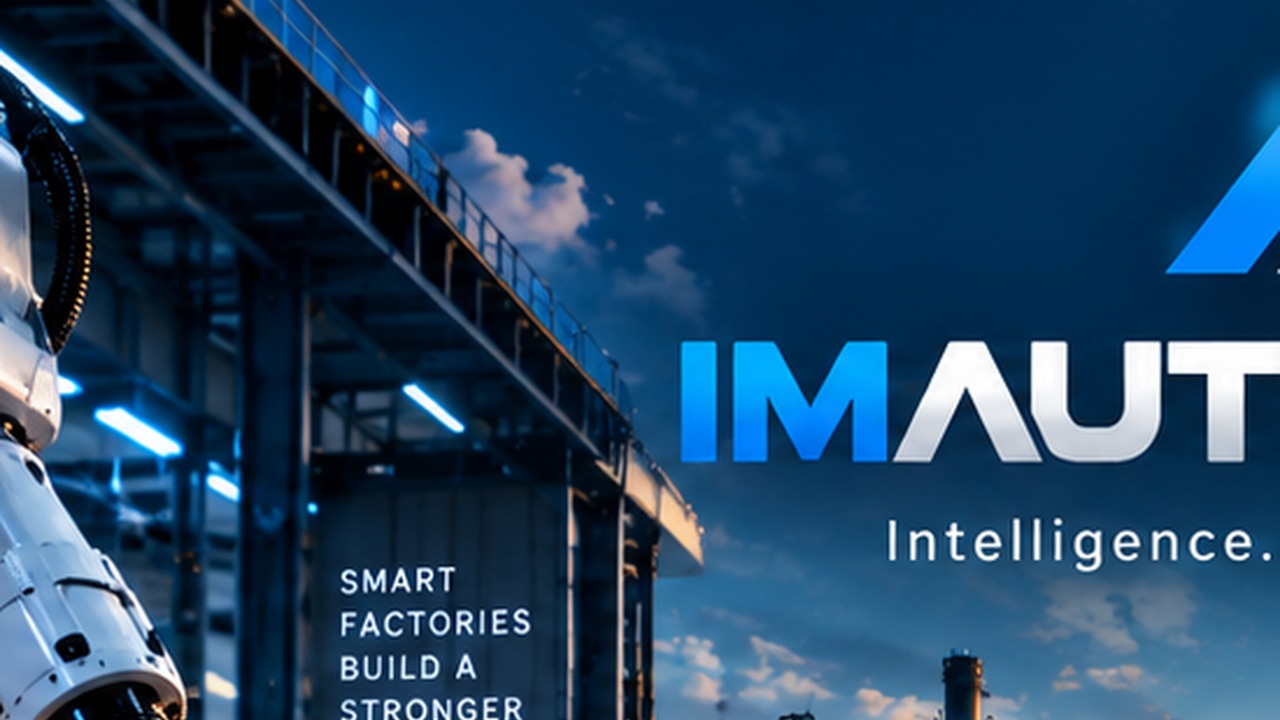
Robot ControlAutonomyRobot Cells
Artificial intelligence for industrial systems
03 / ARTIFICIAL INTELLIGENCE

Industrial AI

Machine intelligence supporting vision, optimization, diagnostics, decision systems and industrial data.
Machine VisionOptimizationIndustrial Data
Hydraulic and motion technology
04 / HYDRAULICS & MOTION

Hydraulics & Motion

Hydraulic power, actuation, motion control and machine dynamics for demanding equipment.

HydraulicsActuationMotion Control
Advanced industrial machinery
05 / MACHINE SYSTEMS

Industrial Machinery

Machine engineering, mechanical systems, production equipment and next-generation industrial machinery.

Machine EngineeringEquipmentMechanical Systems
Industrial energy technology
06 / ENERGY

Energy Technology

Energy systems, industrial power, power management and intelligent energy integration.

Energy SystemsPowerManagement
02 / Technology Architecture

Technology becomes valuable when the disciplines work together.

Industrial performance rarely comes from one technology alone. Automation, AI, robotics, motion, machinery and energy must exchange information and operate as a coherent system.

01 / SENSE

Observe

Sensors, machine vision, instrumentation and operational data.

02 / INTELLIGENCE

Understand

Analytics, AI, diagnostics, optimization and decision support.

03 / CONTROL

Coordinate

Automation, controls, software, robotics and motion.

04 / EXECUTION

Operate

Machines, equipment, energy and integrated industrial systems.

Engineering principle: integrate the technology around the industrial objective, not the other way around.
03 / Cross-Disciplinary Capability

One technology platform. Many industrial applications.

The same engineering disciplines can be configured for different sectors, machine types and production environments.

Smart ManufacturingAutomation, robotics, AI and production systems working together.
Intelligent MachinesMechanical systems enhanced with sensing, control and machine intelligence.
Autonomous OperationsRobotics, perception, decision systems and coordinated machine behavior.
Motion & PowerHydraulics, actuation, control and industrial power systems.
Industrial DataOperational information supporting monitoring, optimization and improvement.
System IntegrationInterfaces between machines, controls, software, energy and production.
04 / Technology Development

From technology concept to industrial capability.

Technology development follows an engineering lifecycle: understand the requirement, architect the system, develop the solution, validate performance and prepare it for industrial use.

01

Understand

Define the industrial objective and operating context.

02

Architect

Choose interfaces, disciplines and system boundaries.

03

Develop

Engineer machines, controls, software and technology.

04

Validate

Verify function, integration and readiness.

05

Industrialize

Prepare deployment, production and continuous improvement.

05 / Technology & Industry

Built around industrial context.

Our technologies are intended to serve the environments described across IMAUTORNATION's industrial portfolio—from automotive production and manufacturing to energy, construction, metals, steel, chemicals and infrastructure.

Technology → application → solution

Technology becomes commercially useful when its industrial role is clear.

The technology portfolio can be explored from the engineering discipline outward: first understand the technical capability, then the industrial application, then the appropriate product or project pathway.

TechnologyUnderstand the underlying technical discipline and capability.
ApplicationIdentify the industrial environment and problem where that capability is useful.
SolutionDefine the equipment, system or integration approach that can perform the required function.
ProjectMove into engineering, validation, deployment or further development when appropriate.
Phase 6 · Technical authority

A technology library built around engineering function.

Future technical pages can use this structure to explain what a technology does, where it applies, how it connects to other disciplines and what evidence supports a specific claim.

Automation & controlsControl architectures, sensing, industrial automation and connected systems.
Robotics & autonomyRobotic systems, perception, motion, integration and autonomous functions.
AI & machine intelligenceIndustrial AI, vision, optimization and decision-support applications.
Hydraulics & motionForce, actuation, fluid power and heavy-equipment motion systems.
Machinery & manufacturingSpecialized machines, production equipment and manufacturing systems.
Energy technologiesIndustrial power, energy storage and energy-use technologies.